
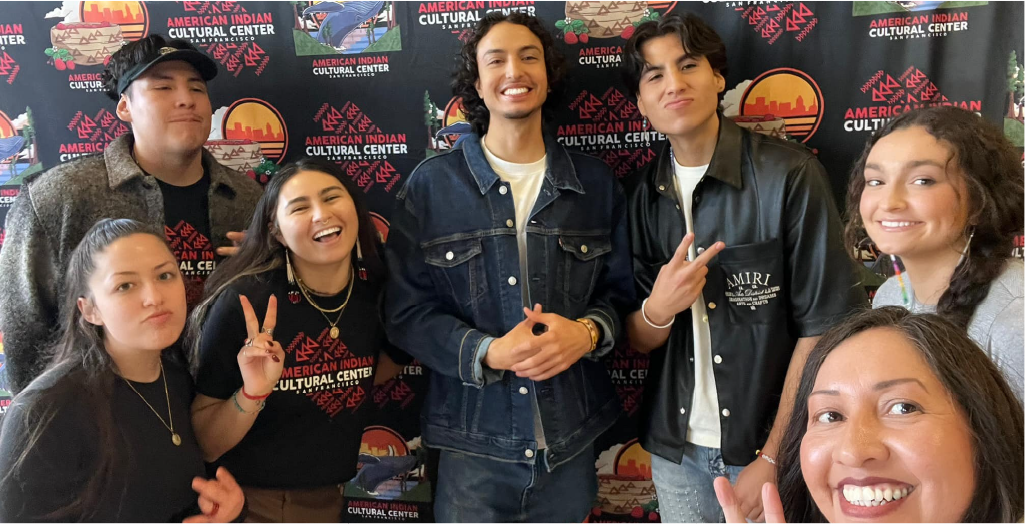
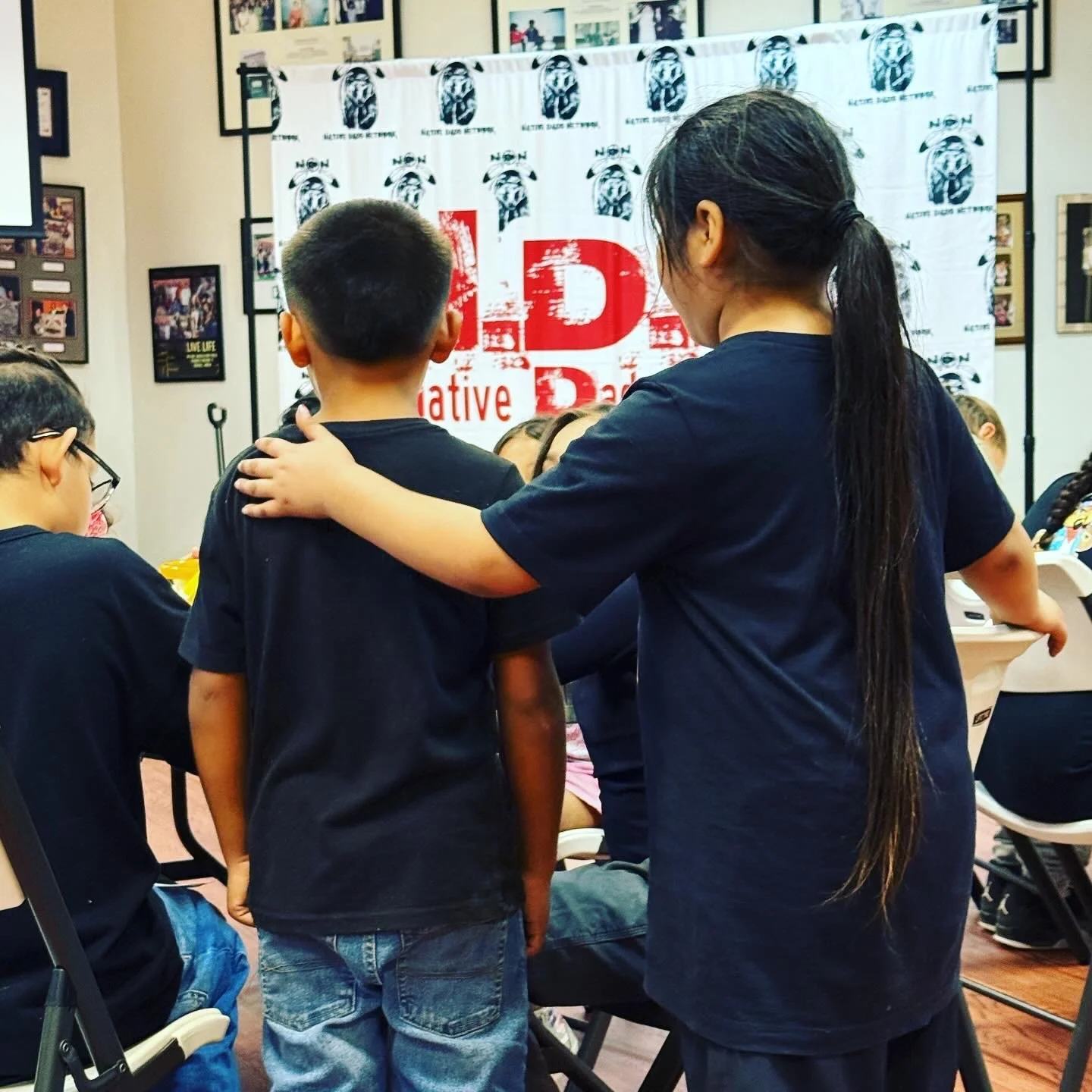
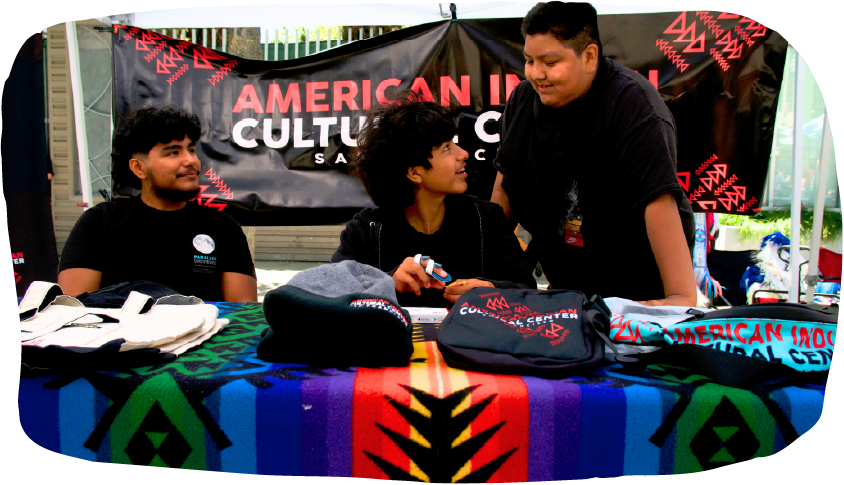
The Elevate Youth California program, led by the American Indian Cultural Center of San Francisco (AICC), is a culturally grounded, multi-year initiative serving American Indian and Alaska Native youth ages 12–26 across urban and tribal communities in California. The program addresses substance use by reconnecting youth to traditional teachings, community, and leadership opportunities that strengthen identity, self-esteem, and healthy lifestyles. Through cultural programming, mentorship, youth leadership development, media storytelling, and civic engagement, AICC empowers Native youth to become voices for prevention, harm reduction, and systems change within their communities.

Youth Council
Phase 1: Planning, Outreach & Community Connection
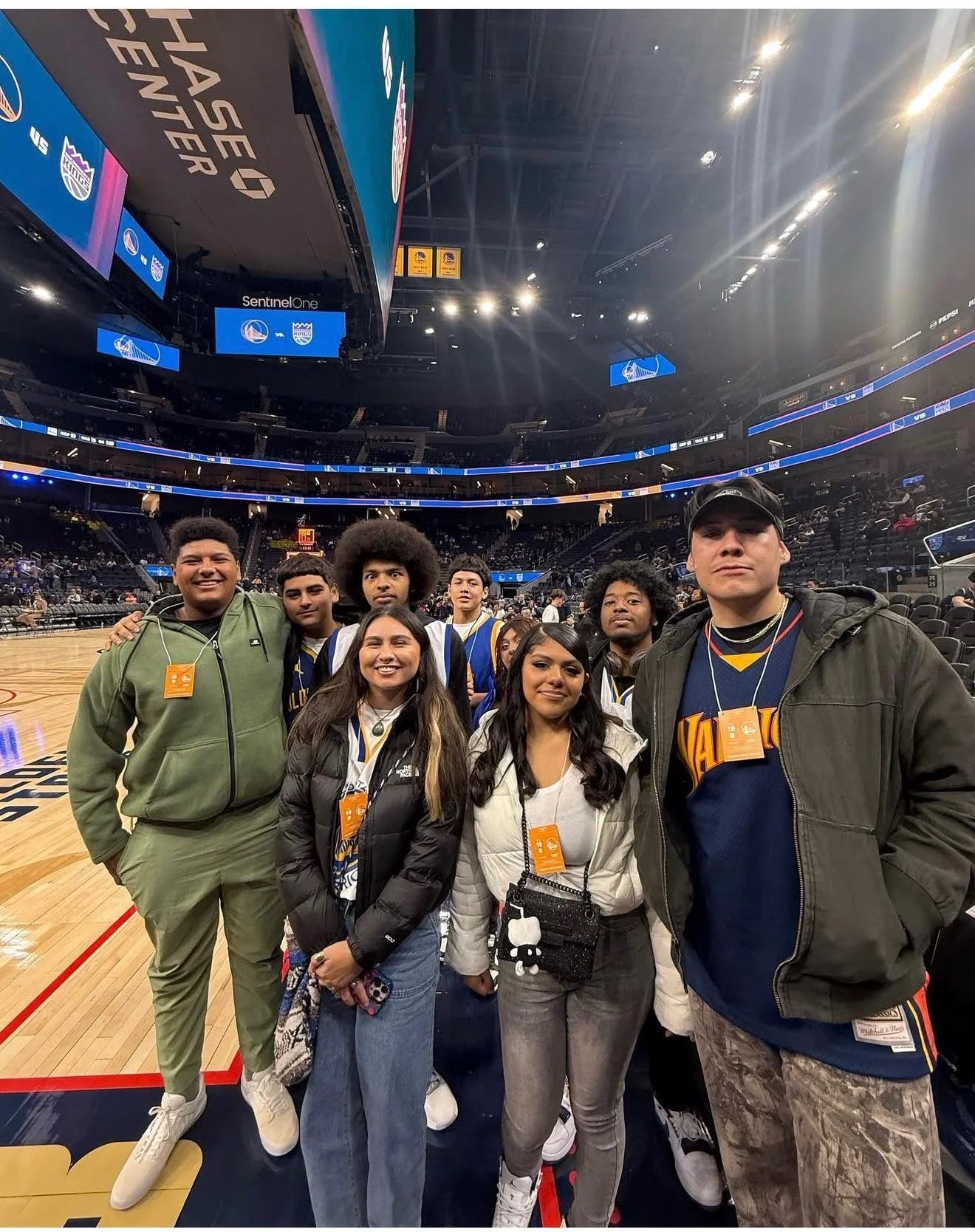
This phase centers on outreach, trust-building, and consistent cultural programming that creates safe spaces for AIAN youth and families. AICC engages youth through pow wows, ceremonies, weekly dance classes, listening circles, and shared traditional meals. These activities strengthen identity, kinship, and self-esteem while reinforcing culture as a foundation for wellness and prevention. Pre-surveys and community listening help identify substance use challenges and guide program design.
Phase 2: Youth Mentorship, Leadership & Healing
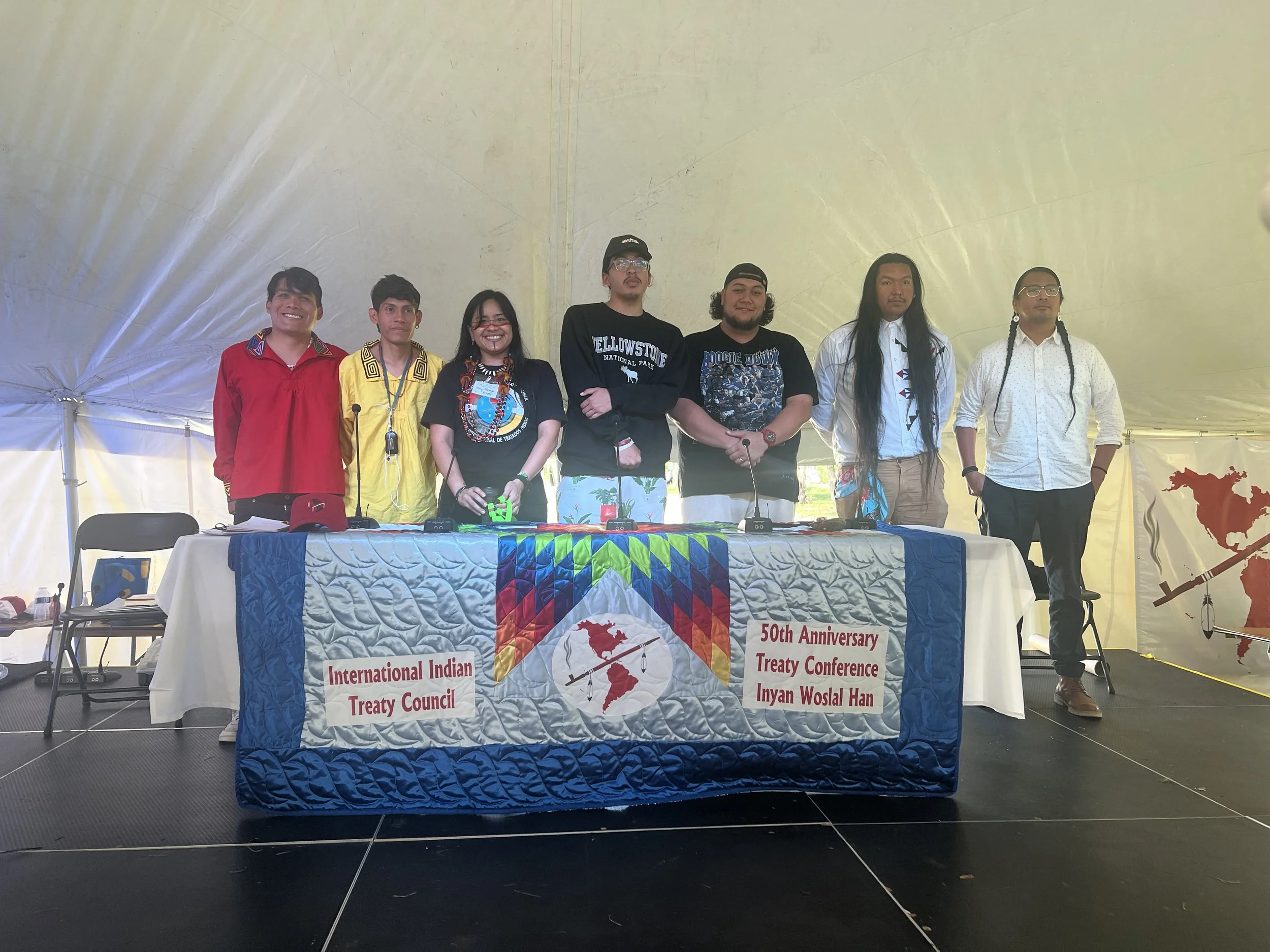
In this phase, youth deepen their engagement through mentorship, leadership development, and healing-centered practices. AICC hosts Gathering of Native Americans (GONA) events, listening sessions, and leadership trainings that address substance use, harm reduction, and community challenges. Youth gain skills in public speaking, organizing, and advocacy while participating in conferences, panels, and community events that position them as emerging leaders.
Phase 3: Youth-Led Media, Civic Engagement & Policy Change
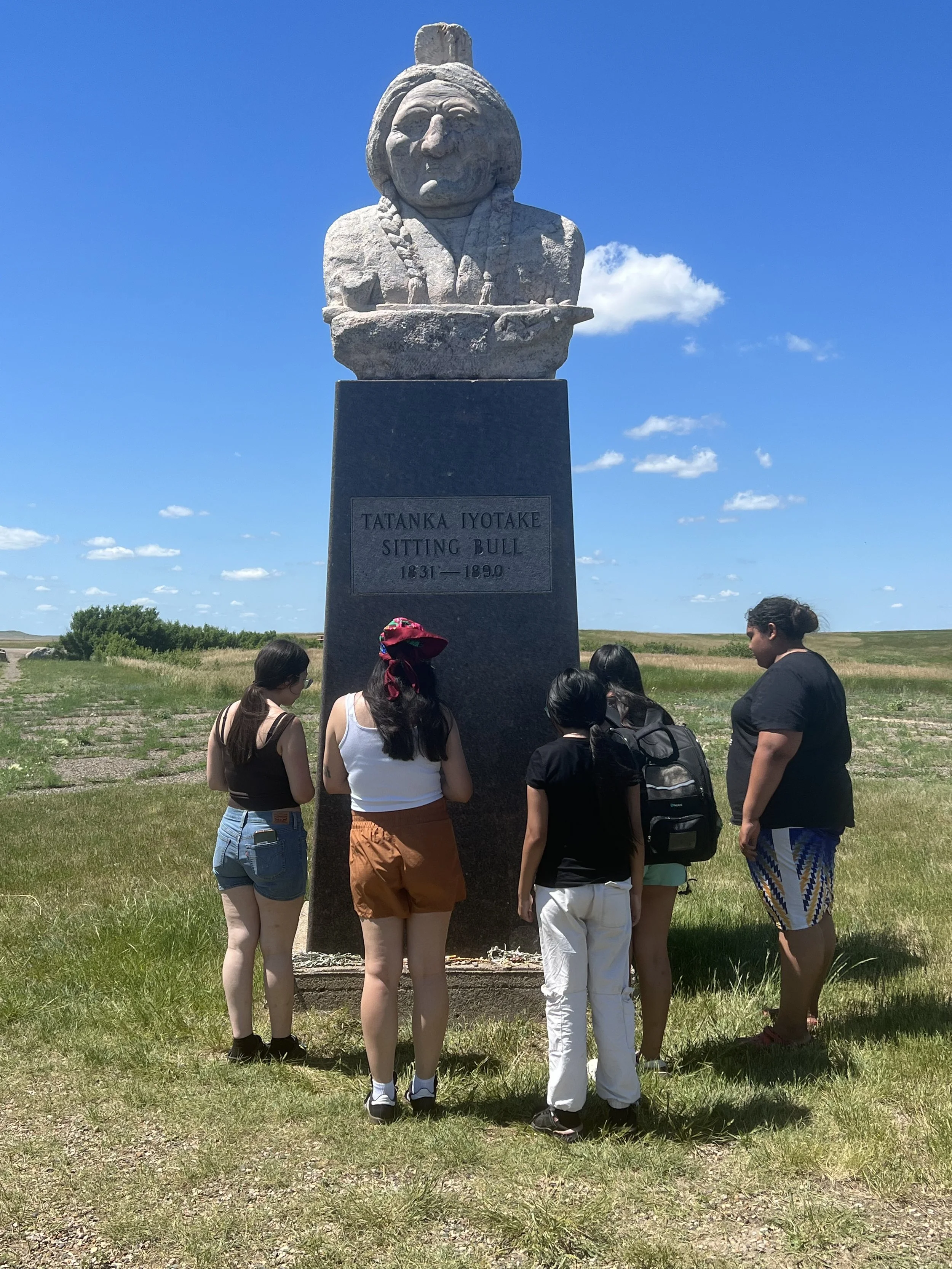
The final phase empowers youth to lead change beyond the program. Youth collaborate with AICC to create culturally relevant social media campaigns that promote wellness and substance-use prevention through a harm-reduction lens. Participants also engage in civic action—meeting with local supervisors, tribal leaders, and policymakers, providing public comment, and advocating for youth-centered policies. This phase ensures youth voices shape both community narratives and systems-level solutions.